
3 Things You Need to do To Lead a Women’s Circle
Usha Anandi. 10| FEBRAUARY| 2026
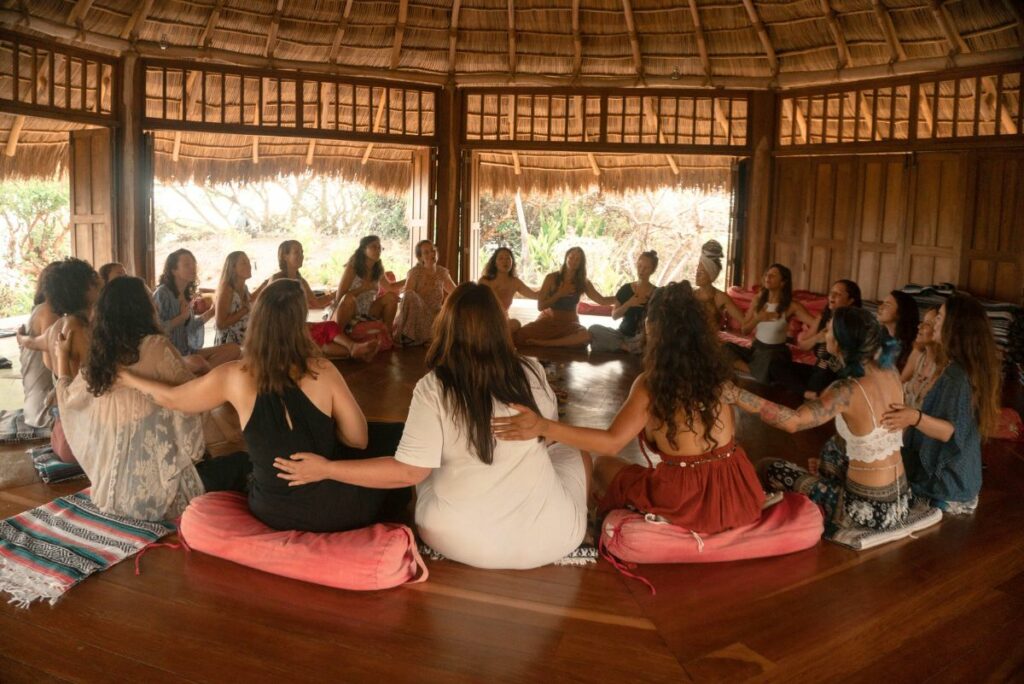
12 years ago, I walked into my first women’s circle with one thought at the front of my mind…
“What even happens at a women’s circle?”
Would I be forced to strip naked and howl at the moon with a ton of strangers?
Was I walking into the lion’s den of mean girls from high school, ready to silently tear me apart with their eyes?
I DIDN’T KNOW.
I had no clue what I was getting myself into.
As I propped open the heavy wooden door and saw the circle of stunning, long-haired, flowy-dress-wearing women, a voice inside me screamed…
“OH HELLLLL NO.”
I was ready to make a run for it…
But then I caught the eye of the circle facilitator and felt shamed into sticking around.
And thank God I did.
Because what I experienced in that women’s circle changed the course of my life.
If you’ve been to a women’s circle, you know exactly what I’m talking about…
And I’m guessing you clicked on this blog for one of two reasons:
- You’re finally at a point where you want to start leading healing women’s circles for your community
- You already facilitate women’s circles and you want to enhance your own skills
In my 10 years of leading women’s circles, I’ve seen it all. I’ve hosted both online and in person, and I’ve sat with women from all over the world (England, Canada, India, Mexico, Bali, Greece, and Costa Rica, to name a few).
Over the years, facilitating thousands of women, I’ve learned what makes a women’s circle great…
That’s exactly what I teach inside my 4-month Womb Circle Facilitator Training – a deep immersion into the art and craft of holding sacred space for women.
You’ll walk away with the tools, the framework, and the confidence to lead healing women’s circles that actually transform the women who show up.
Whether you’re brand new to working with women or you’ve been facilitating for years and want to go deeper, this training was built for you.
We’re currently accepting applications to our waitlist. We only run 1 cohort every year, and if you’d like to be the first to know when doors open next time, add your name now.
Before class, I want to give you a little bit of a primer.
In my experience, I’ve noticed 3 things in common at every single successful women’s circle.
I’ve come to think of them as the 3 pillars of leading a women’s circle.
And I want to let you in on them today…
1. Instead of Freezing Under Unexpected Pressure, Set Principles and Agreements
As a facilitator, you bridge the gap between that universal energy and the women who want to reach it. It isn’t your job to be perfect. In fact, it’s so risky to identify as a healer.
Why, you may be wondering?
Because when we call ourselves healers, we put a lot of pressure on ourselves.
The reason I can show up for leading circles from a place of excitement and joy is because I know deep in my womb that it is not about me, nor will it ever be about me.
Facilitating is about your ability to get out of your own way and let the divine energy flow.
It’s about the women we’re meant to serve.
And because of that, you can relax.
You don’t need to be completely healed to facilitate a healing space.
You don’t need to be this perfect, enlightened, levitating, love-and-light being who poops rose quartz crystals to share women’s work.
But you do have to know that facilitating is WAY DIFFERENT than “holding space.” It’s an art.
And principles and agreements can majorly help.
2. Instead of Swimming Against the Current, Understand Their (and Your) Nervous System
Each of us has a different baseline nervous system state… Let’s call it a tempo.
How do songs that go really fast make you feel?
What about songs that move really slow?
When we’re hyper-aroused, our sympathetic nervous system turns on and we move fast.
You know those people who seem like they drank 5 cups of coffee and go-go-go until they crash?
On the other side of the spectrum is the too-slow tempo called hypo-arousal.
Ever have those days where you feel totally collapsed and unable to meet life?
Or where you’re in a conflict with your partner and you can’t even speak your feelings… or barely move?
Both of these tempos are reactions to stress. Depending on our upbringing, our parents’ and caregivers’ response to stress, we might be dominant in one or the other.
While it might seem controversial, I believe that the most important tool you have as a facilitator has nothing to do with your training.
Or the beautiful words you’ve practiced and prepared.
Or all your techniques.
Your biggest tool is regulating your own nervous system and setting an example.

3. Instead of Putting Pressure on Ceremony, Accept it as a Part of Life
At 14, I was thrown into a whole new life cycle with no one to guide me.
My mom didn’t want the job (despite being a medical professional).
All the friends who had gotten their periods a few years before me were too embarrassed.
And so there I was: coming of age completely alone.
I had no idea at the time, but I was in desperate need of a circle.
I needed space with other girls who were both going through the same thing.
Or for my elders, those who had already reached this phase and could share their own wisdom, to say, “You’re doing great! This is the way.”
As women, ceremony is embedded into our bodies.
We have physiological initiations, markers in time where we are meant to pause, gather, share, and celebrate.
The idea that we should just keep soldiering through grief, loss, hardship, and depression, is a patriarchal lie.
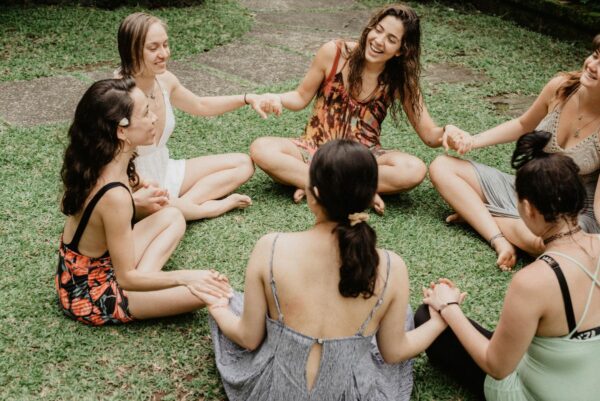
Circle is our opportunity to hit pause and receive that support and validation.
How do the circles you’ve attended (or facilitated) practice these 3 pillars?
I have SO much more wisdom to share with you.
These are only a glimpse of what we go into during the 4 months we spend together inside the Womb Circle Facilitator Training.
If you feel called to step up and bring healing to the women in your community, click the button below to add your name to our waitlist.
I can’t wait to pass on everything I know about leading women’s circles that truly change lives.
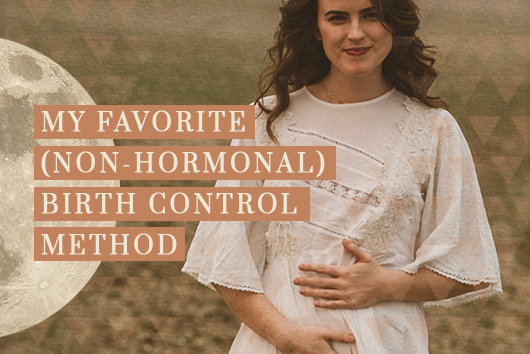
My Favorite (Non-Hormonal) Birth Control Method
A contraceptive method with no known side effects other than knowing your body, your cycle, and your innate rhythm? It’s possible, and in this blog - we break it down.
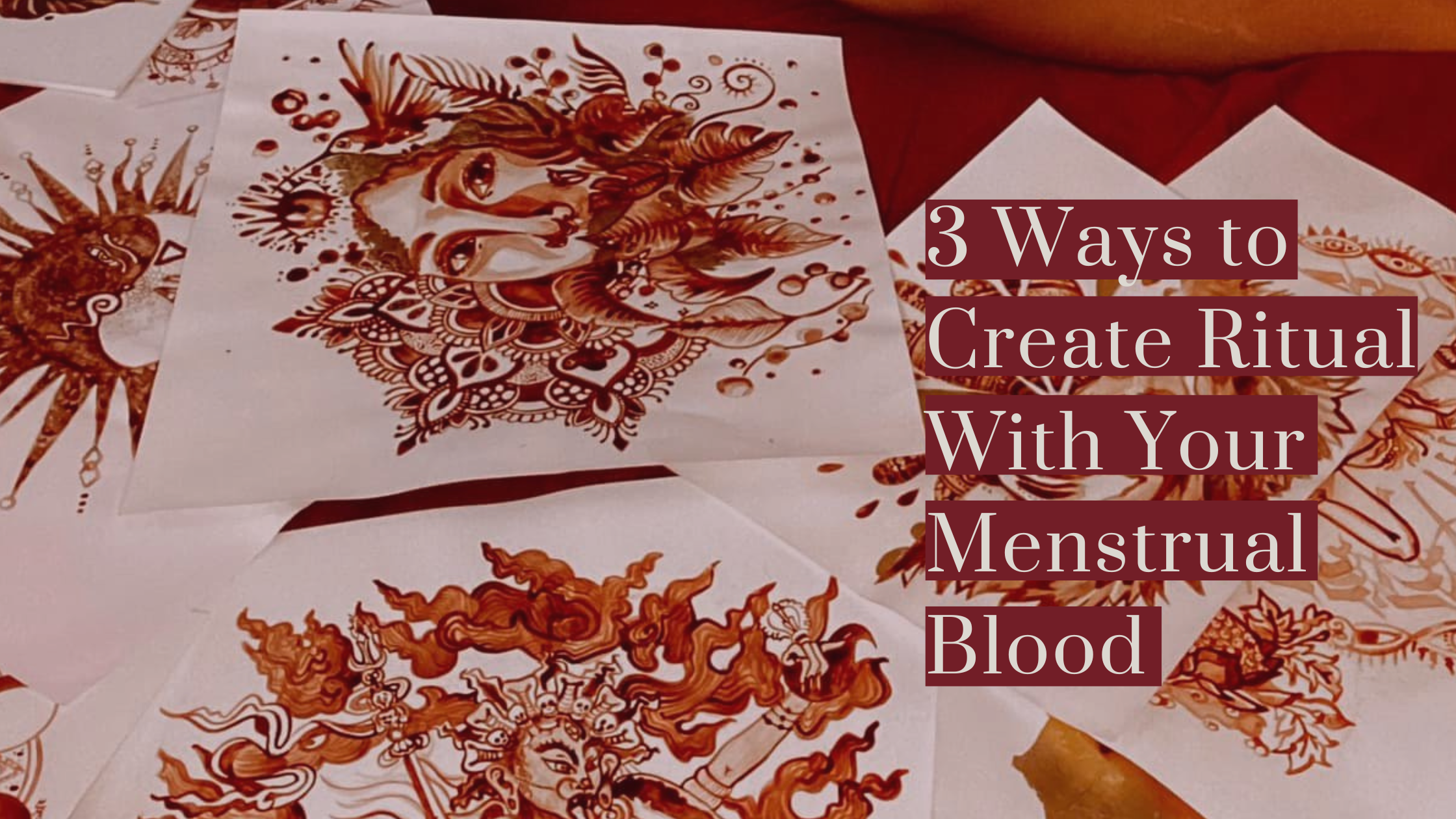
3 Ways to Create Ritual with Your Menstrual Blood
If period rituals, spices for your period, or making art with your menstrual blood interests you, read this blog.
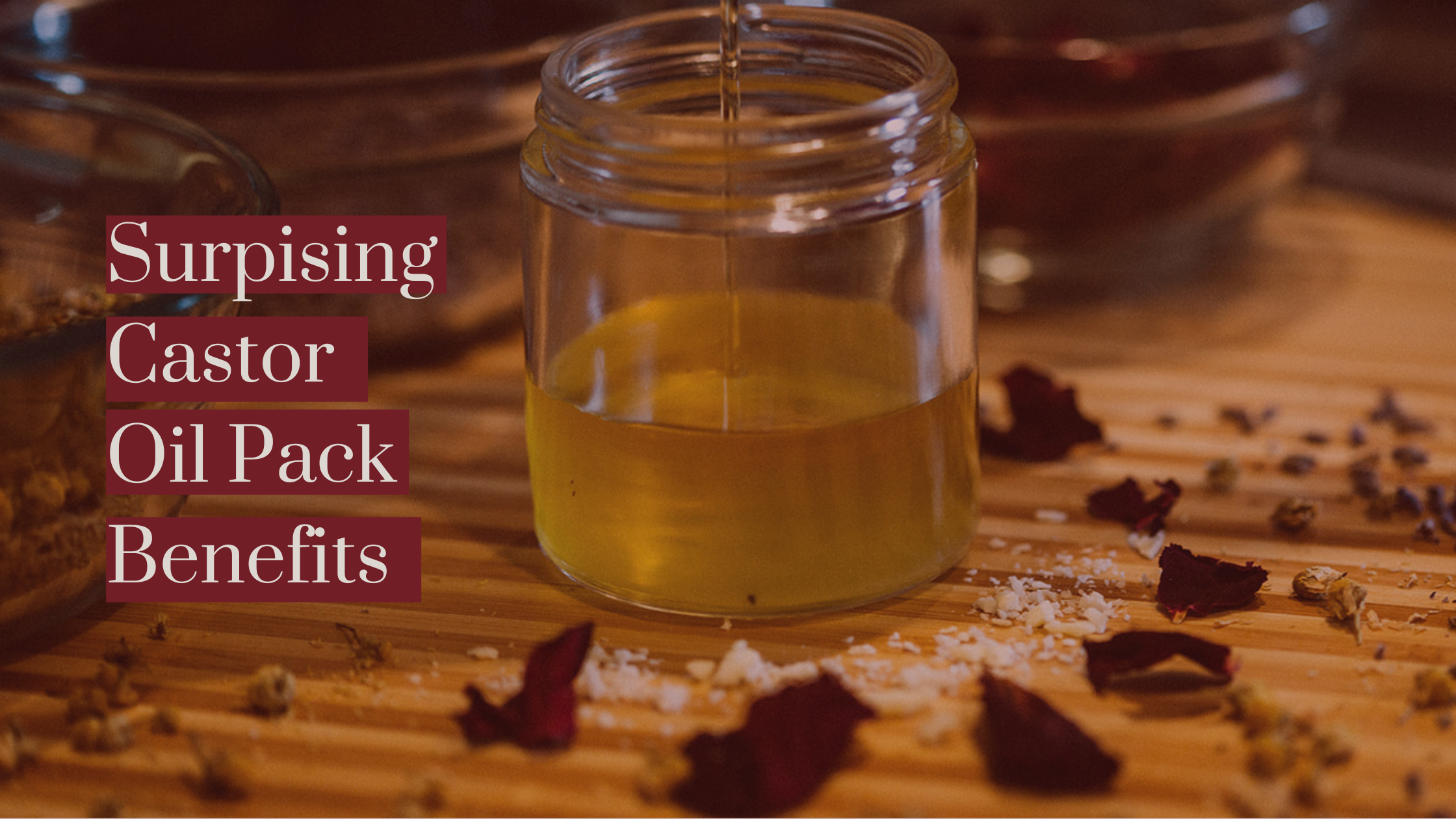
Surprising Castor Oil Pack Benefits
Endometriosis? Pelvic pain? Fibroids? Ovarian cysts? Cesarean scar healing? Castor oil packs have got your back. Learn how to make your own in this informative, step-by-step blog.
